

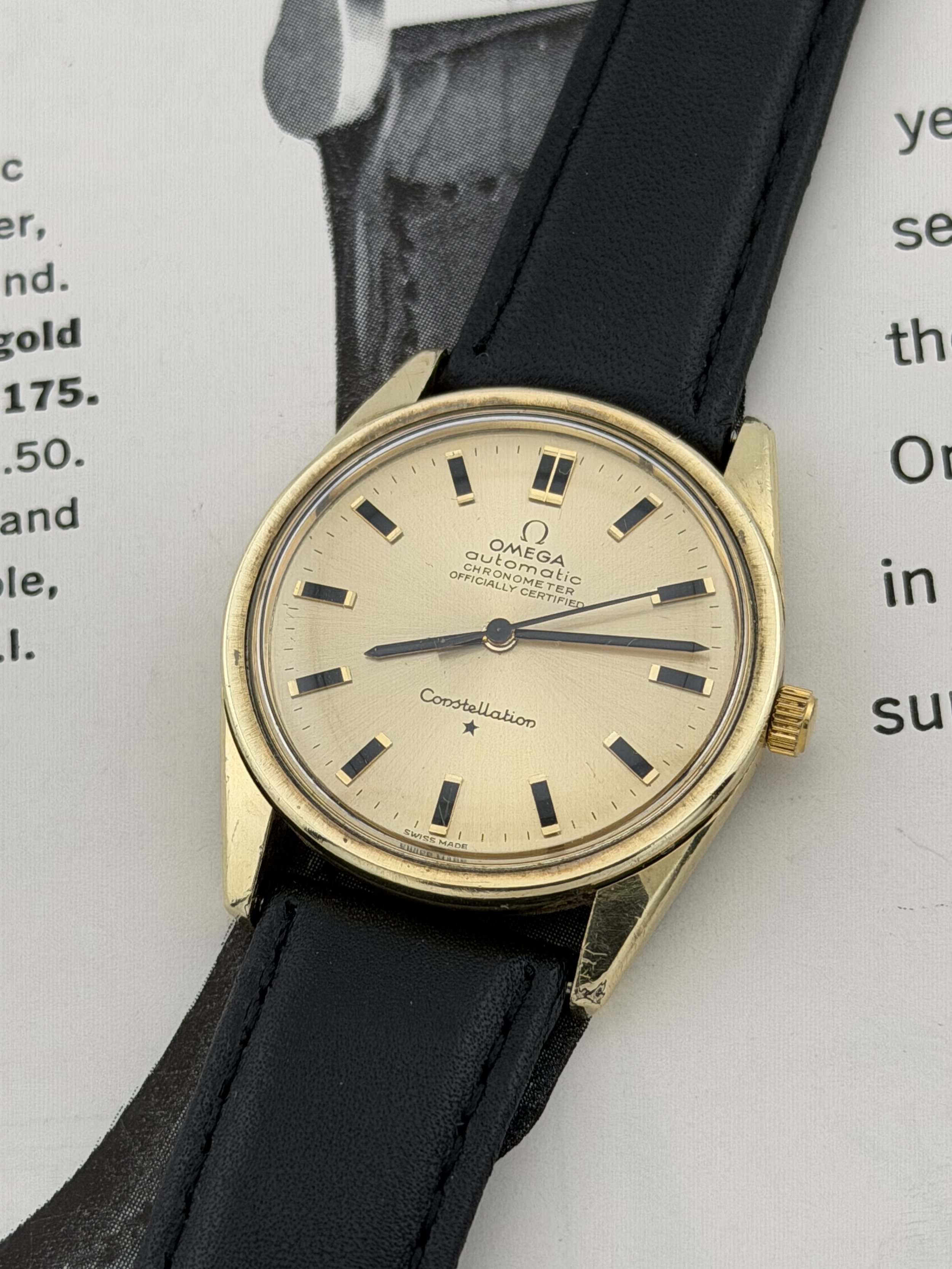


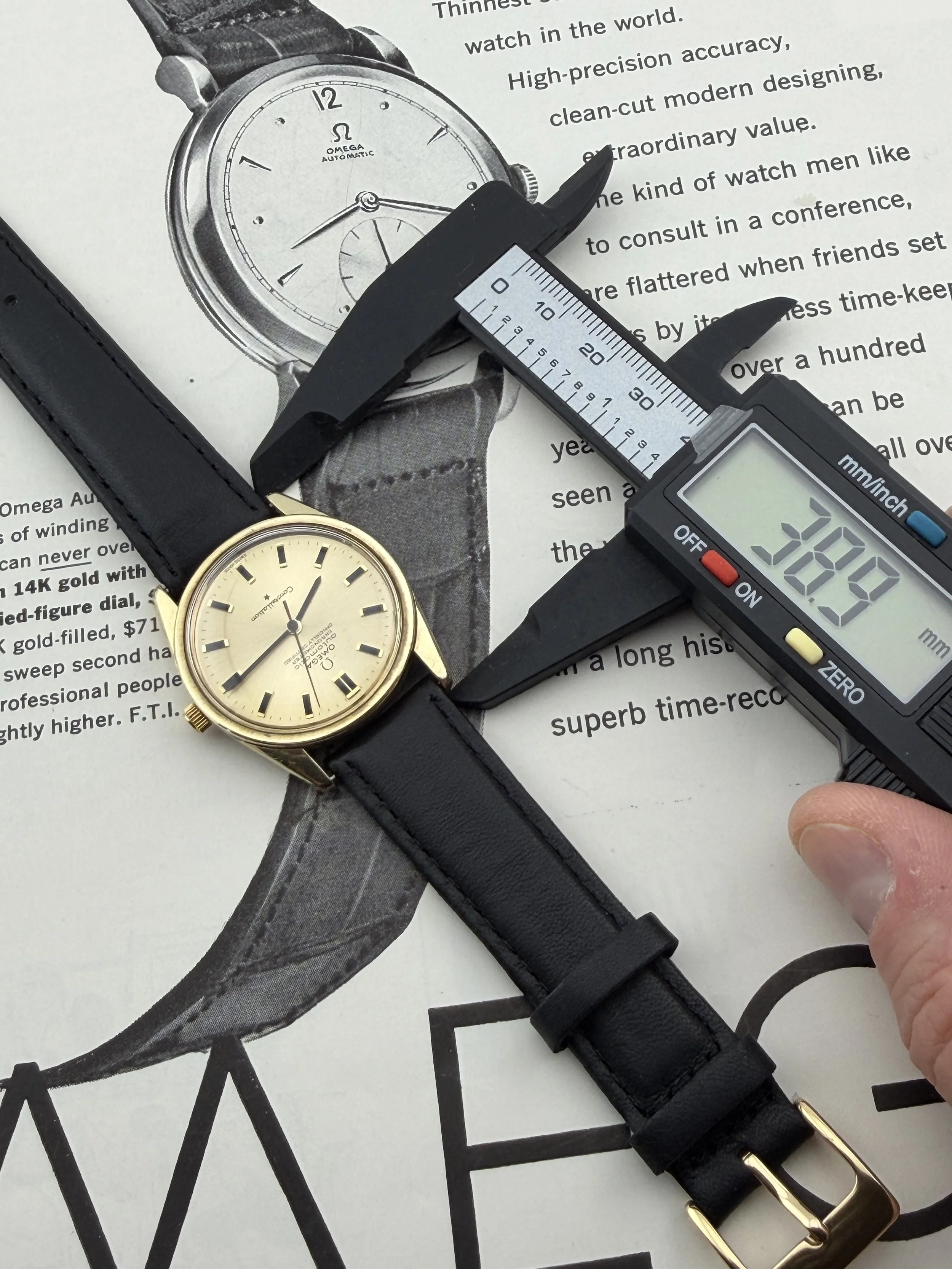

This elegant Omega Constellation is a superb example of the ultra-thin chronometer watches produced by Omega during the 1960s. Reference 167.021 combines a remarkably slim profile with the precision of Omega's chronometer-certified Caliber 712, making it a particularly refined expression of the Constellation line.
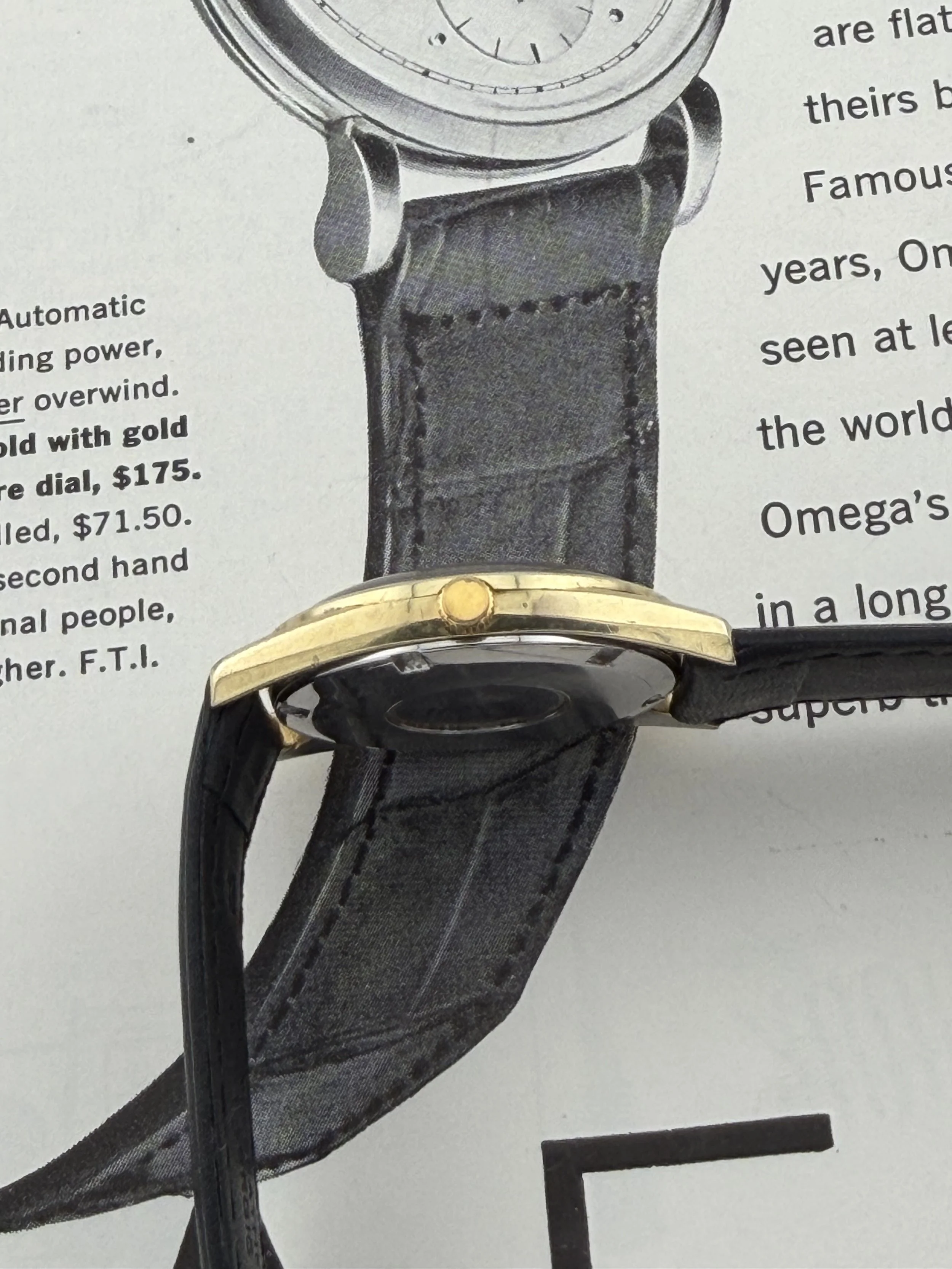
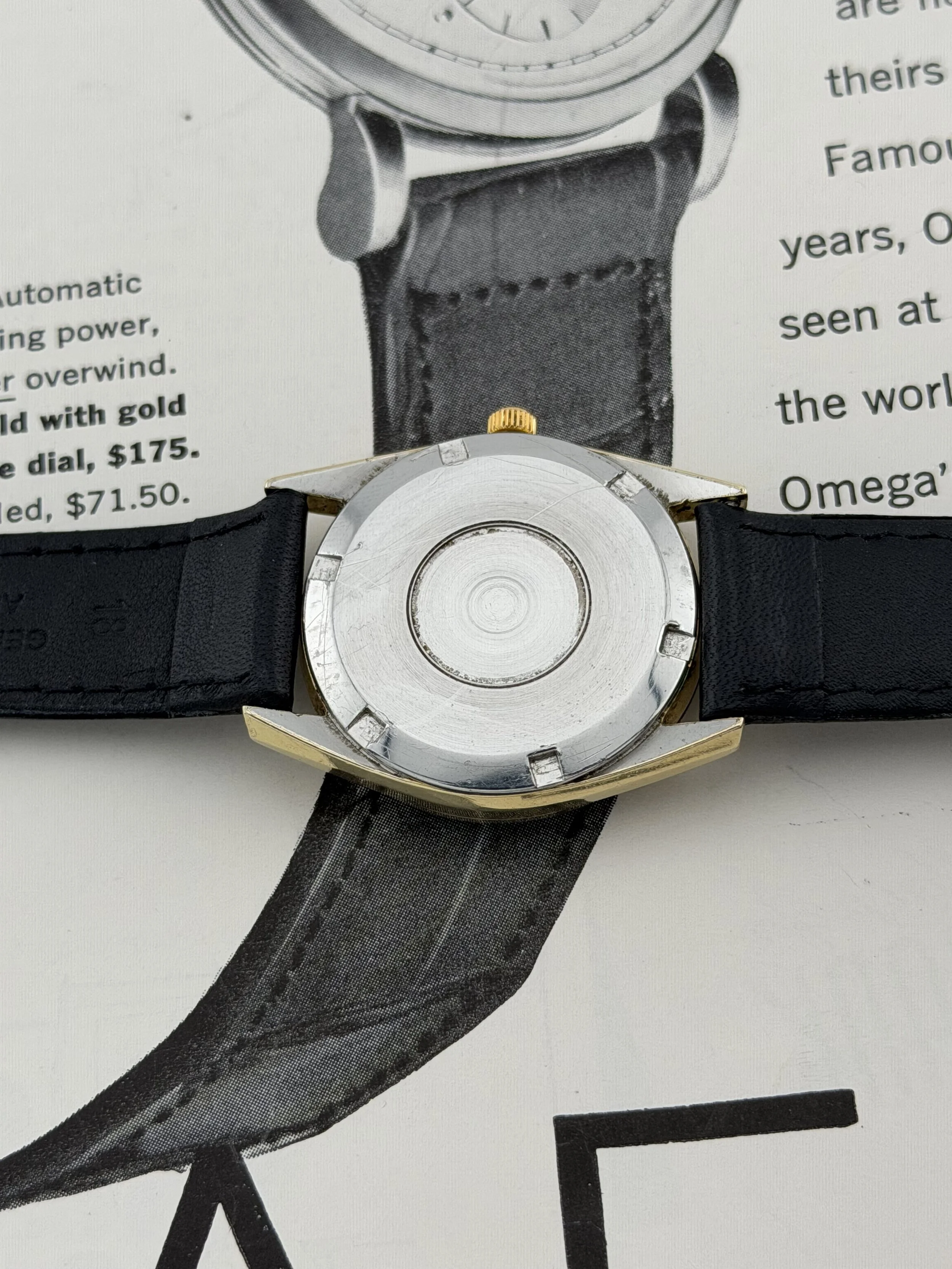
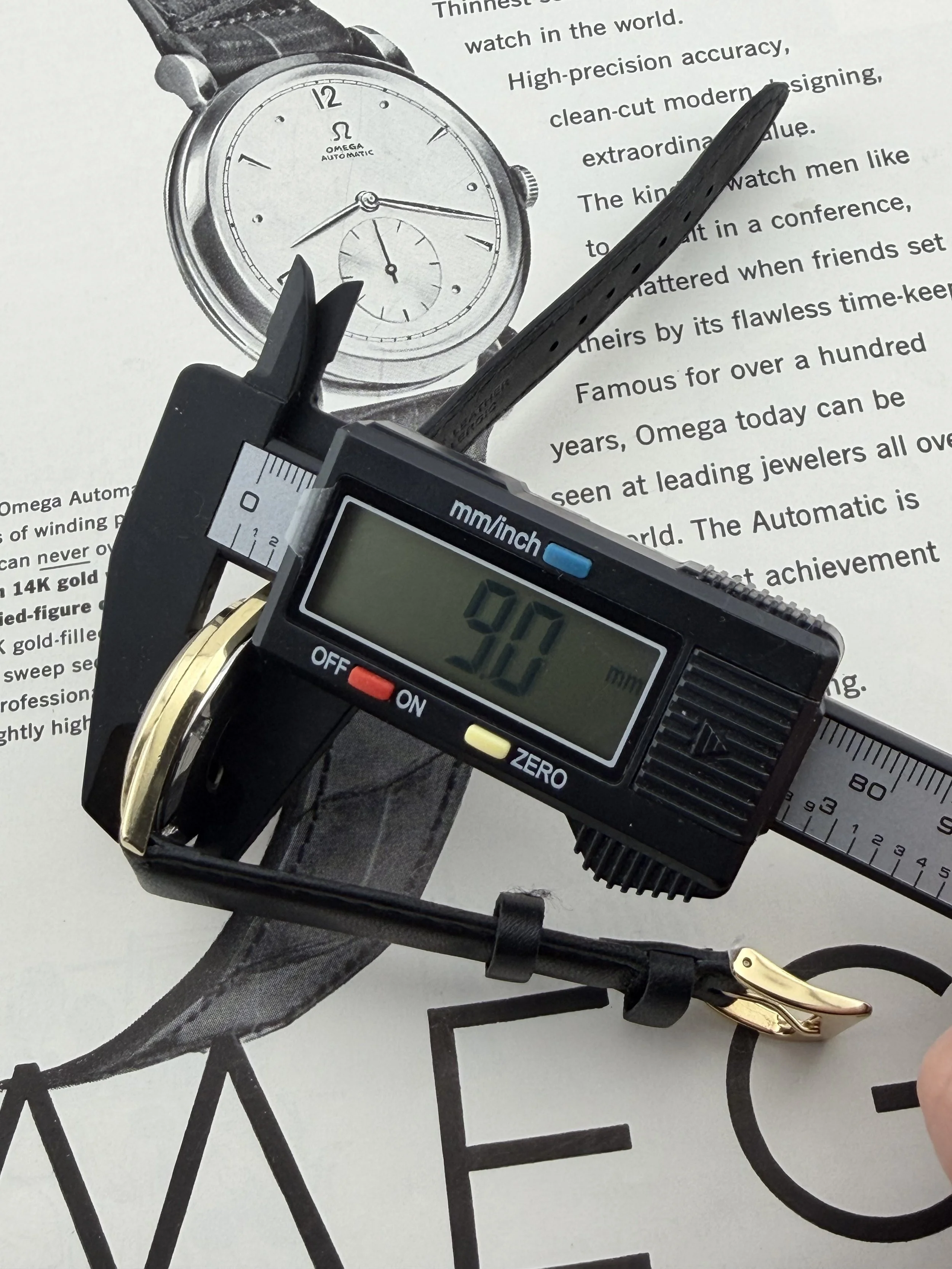
The 33.1mm gold-capped case measures only approximately 7.5–7.7mm thick, giving the watch an exceptionally slim profile and allowing it to sit beautifully beneath a shirt cuff. The stainless steel case back carries the iconic gold Constellation Observatory medallion, a defining feature of the collection and a symbol of Omega's long association with precision chronometry.
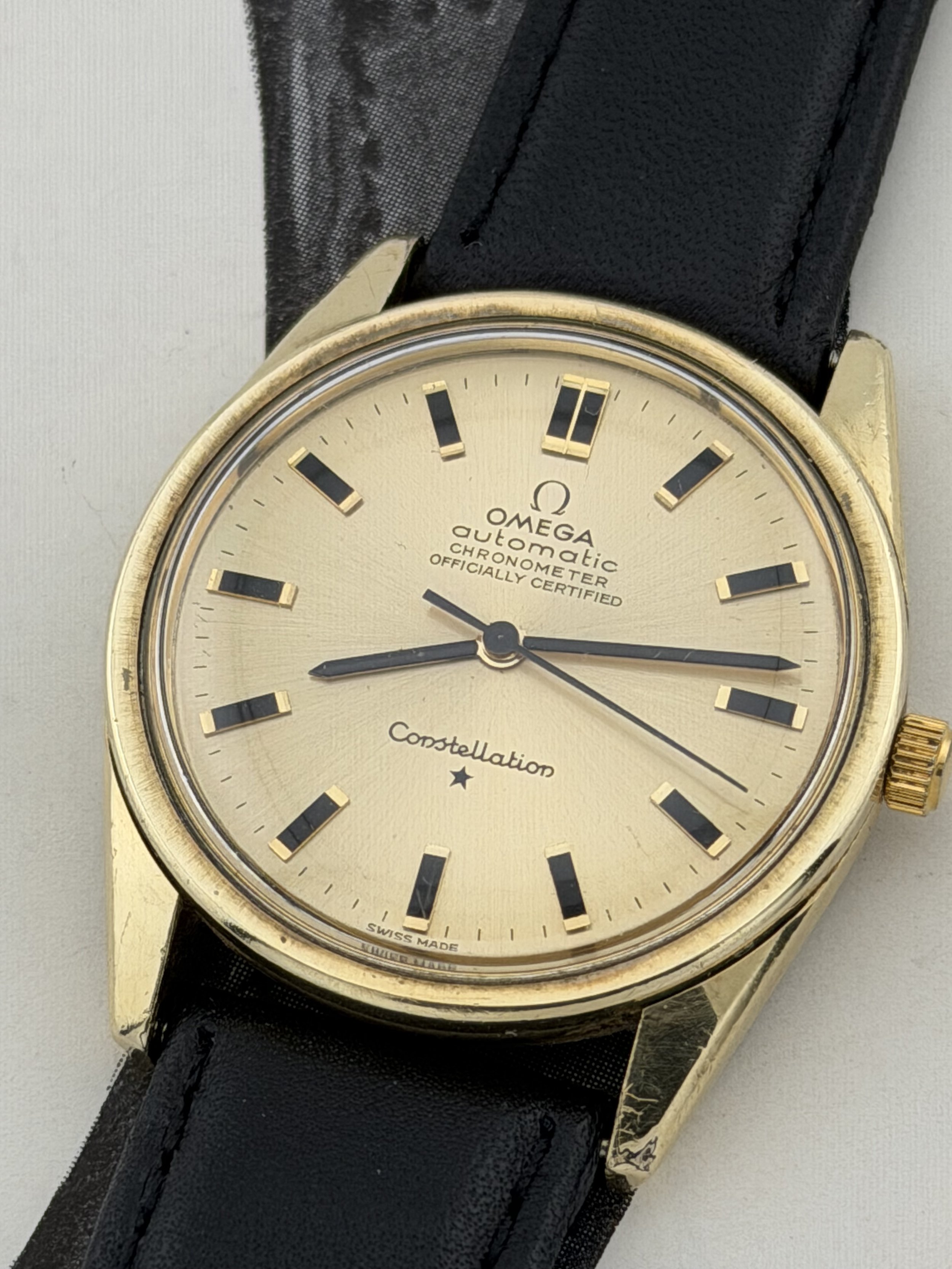
The champagne/silver sunburst dial is beautifully understated, with applied hour markers featuring black inlay, an applied Omega logo, and the distinctive Constellation star at 6 o'clock. With no date window or other complications, the design remains wonderfully clean and symmetrical.
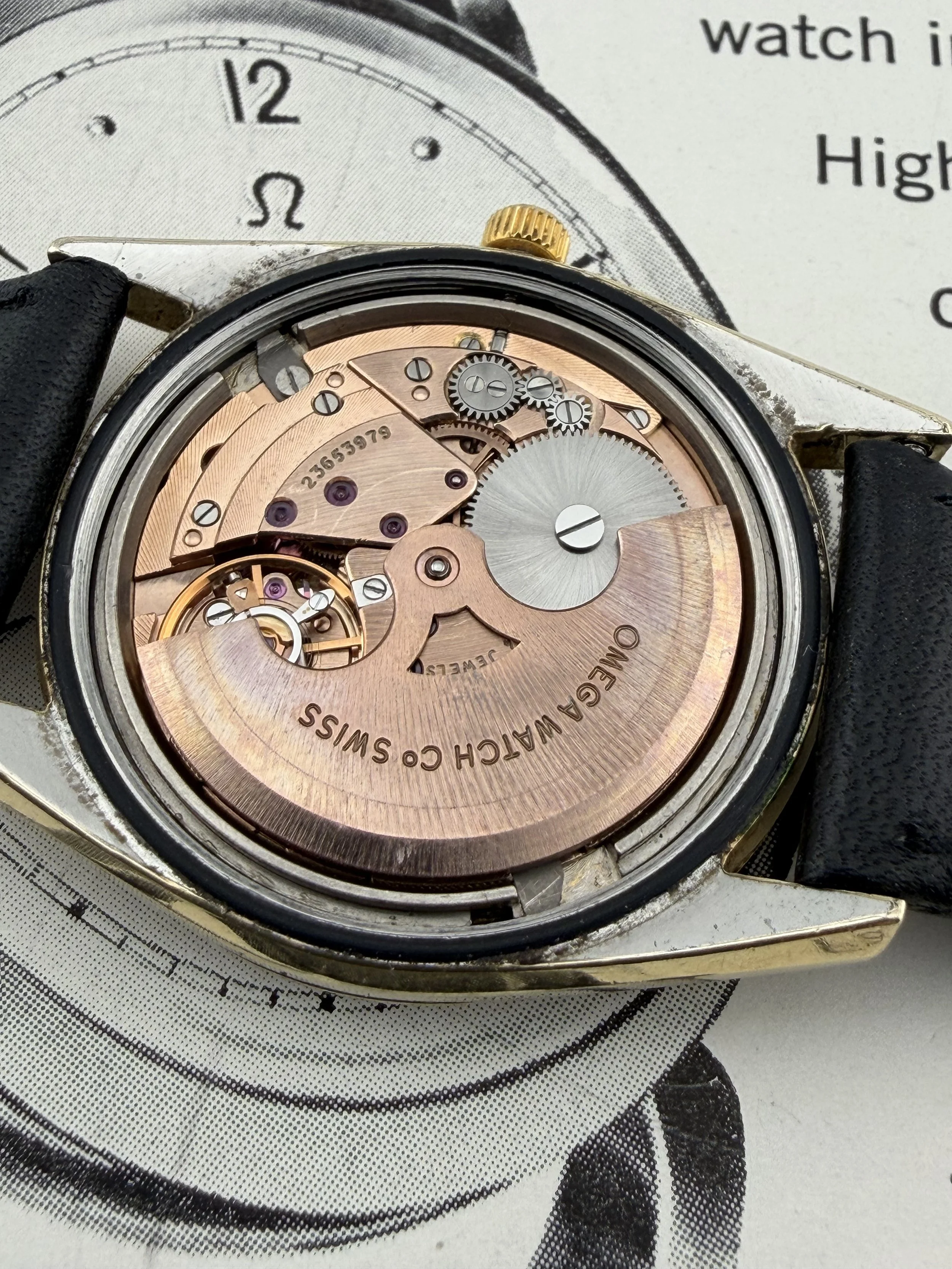
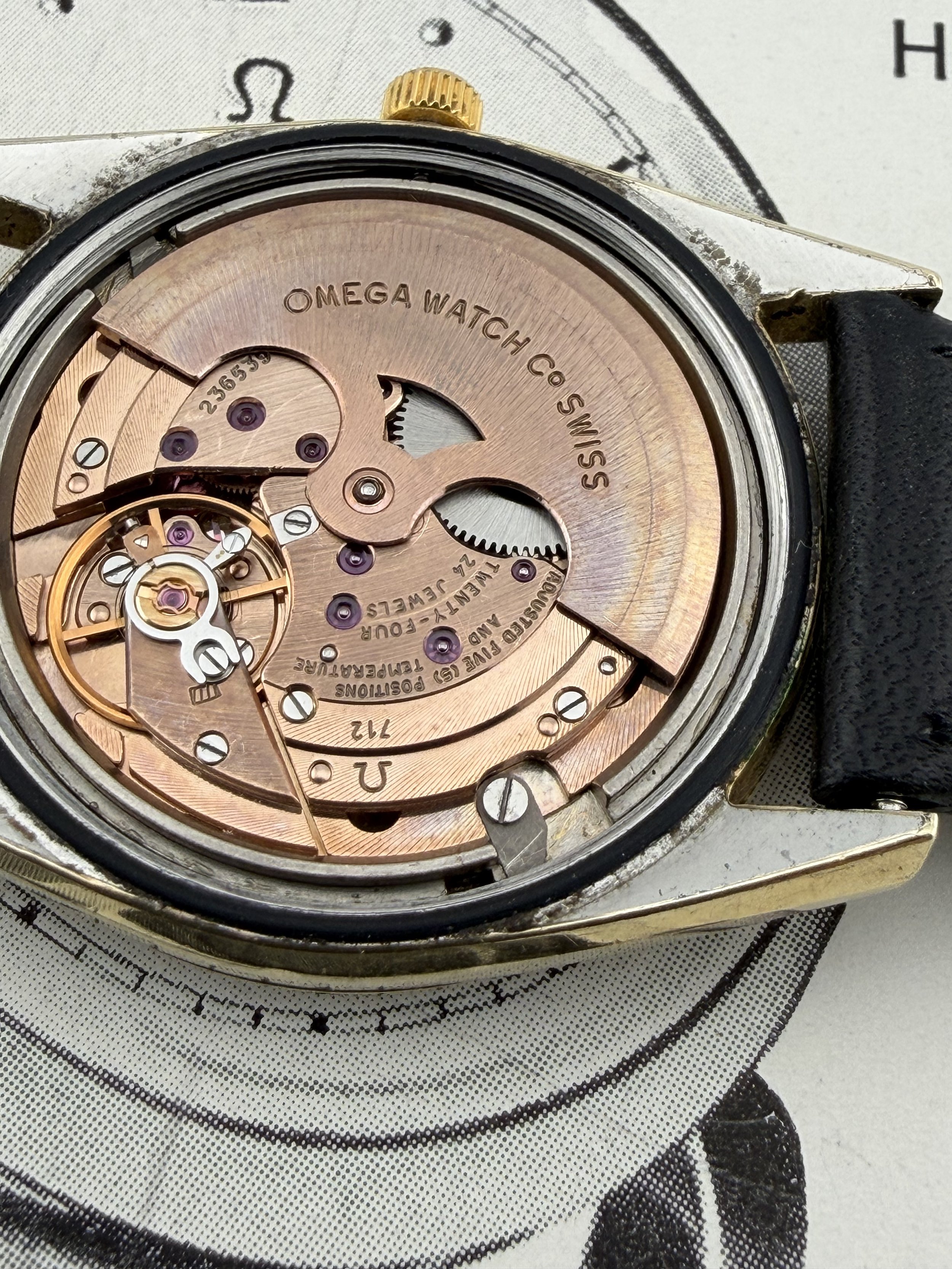
Inside is the highly regarded Omega Caliber 712, a 24-jewel automatic chronometer movement measuring just 3mm thick. It was adjusted to five positions and temperature, meeting the demanding standards required for official chronometer certification. Operating at 19,800 vibrations per hour, the movement provides approximately 42 hours of power reserve.
The movement's serial number, 23,653,979, dates this example to 1966, placing it firmly within the golden age of Omega's mechanical watchmaking. The Caliber 712 is particularly notable for its combination of automatic winding, chronometer performance, and exceptionally thin construction—a remarkable achievement for its time.
The Constellation name dates back to 1952 and quickly became associated with Omega's highest standards of precision. The famous Observatory medallion on the case back references Omega's successes in precision observatory trials, while the star became one of the defining visual symbols of the collection.
This reference represents a fascinating moment in the evolution of the Constellation: elegant enough for formal wear, technically sophisticated enough to carry chronometer certification, and thin enough to disappear beneath a cuff. A beautifully proportioned 1966 Omega Constellation with one of Omega's most interesting ultra-thin automatic movements.
This elegant Omega Constellation is a superb example of the ultra-thin chronometer watches produced by Omega during the 1960s. Reference 167.021 combines a remarkably slim profile with the precision of Omega's chronometer-certified Caliber 712, making it a particularly refined expression of the Constellation line.
The 33.1mm gold-capped case measures only approximately 7.5–7.7mm thick, giving the watch an exceptionally slim profile and allowing it to sit beautifully beneath a shirt cuff. The stainless steel case back carries the iconic gold Constellation Observatory medallion, a defining feature of the collection and a symbol of Omega's long association with precision chronometry.
The champagne/silver sunburst dial is beautifully understated, with applied hour markers featuring black inlay, an applied Omega logo, and the distinctive Constellation star at 6 o'clock. With no date window or other complications, the design remains wonderfully clean and symmetrical.
Inside is the highly regarded Omega Caliber 712, a 24-jewel automatic chronometer movement measuring just 3mm thick. It was adjusted to five positions and temperature, meeting the demanding standards required for official chronometer certification. Operating at 19,800 vibrations per hour, the movement provides approximately 42 hours of power reserve.
The movement's serial number, 23,653,979, dates this example to 1966, placing it firmly within the golden age of Omega's mechanical watchmaking. The Caliber 712 is particularly notable for its combination of automatic winding, chronometer performance, and exceptionally thin construction—a remarkable achievement for its time.
The Constellation name dates back to 1952 and quickly became associated with Omega's highest standards of precision. The famous Observatory medallion on the case back references Omega's successes in precision observatory trials, while the star became one of the defining visual symbols of the collection.
This reference represents a fascinating moment in the evolution of the Constellation: elegant enough for formal wear, technically sophisticated enough to carry chronometer certification, and thin enough to disappear beneath a cuff. A beautifully proportioned 1966 Omega Constellation with one of Omega's most interesting ultra-thin automatic movements.